
Why Your Money Habits Are Scarier Than Your Debt

Debt gets all the attention when it comes to financial stress, but sometimes the real problem isn’t the number on your credit card—it’s how you handle money daily. Bad habits can quietly compound over time, creating bigger challenges than a single loan or credit line ever could. Overspending, ignoring budgets, or avoiding planning might not feel urgent, but they can quietly sabotage your financial stability in ways debt alone doesn’t capture.
Ignoring a Budget Is a Slow Burn
Many people avoid making a budget because it feels restrictive or tedious, but failing to track your spending is like driving blind. Without awareness of where your money goes, it’s easy to overspend in small ways that add up over months or years. Debt is obvious, but habit-driven overspending erodes your financial health more subtly—and that slow burn can leave you in a worse place over time.
Impulse Purchases Add Up
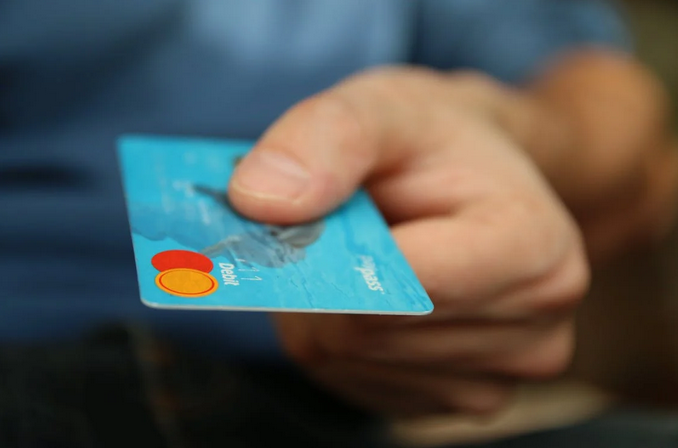
We’ve all clicked “buy” on a whim, thinking $20 here or $50 there doesn’t matter. But repeated impulse purchases can sneakily add up to hundreds or thousands of dollars a month. Unlike debt, which is tracked and alarming, small, habitual splurges can go unnoticed until your bank account starts feeling the pinch. The scary part is how normal it feels, which makes it even harder to stop.
Avoiding Financial Planning Creates Vulnerability
Retirement, insurance, and emergency funds may seem like distant worries, but neglecting them puts you at real risk. Living paycheck to paycheck without a plan can feel fine in the moment, but one unexpected expense—a car repair, medical bill, or job loss—can turn a manageable situation into a crisis. Debt is temporary and quantifiable, but poor planning leaves you exposed to unpredictable financial shocks.
Emotional Spending Can Spiral Out of Control
Many people use money to cope with stress, boredom, or sadness. Treating yourself occasionally is fine, but when spending becomes emotional, it’s often unconscious and untracked. Over time, emotional spending can become a major financial drain, creating cycles of guilt, stress, and even additional debt. Unlike credit card statements, the emotional impact is harder to quantify, but it’s no less damaging.
Failing to Review Subscriptions and Recurring Payments

We all have subscriptions we barely use—a streaming service, a gym membership, an app. Individually, these may seem insignificant, but collectively they can quietly drain hundreds of dollars every month. Many people sign up and forget, assuming it’s negligible. The danger is that recurring spending can slip under the radar for years, quietly undermining your financial goals.
Not Investing or Saving Is Risky in the Long Run
Debt can be scary, but the habit of avoiding investing or saving is more insidious. Inflation, missed opportunities, and lack of compound growth mean that even with little or no debt, you could fall behind financially. Building wealth isn’t just about avoiding overspending—it’s about forming habits that make your money work for you over time.
Debt is tangible, visible, and often frightening, but your everyday habits can quietly cause more damage over time. Ignoring budgets, overspending, emotional purchases, and a lack of planning all create long-term vulnerability that no single loan or credit card can capture. The key is awareness: small, intentional changes to your money habits can protect you far more effectively than simply paying off debt. Debt may grab the headlines, but habits are the real story—and the scariest ones are often the invisible patterns we repeat every day.
Related Post